




September 2026 UK Energy Market Report

12/10/26
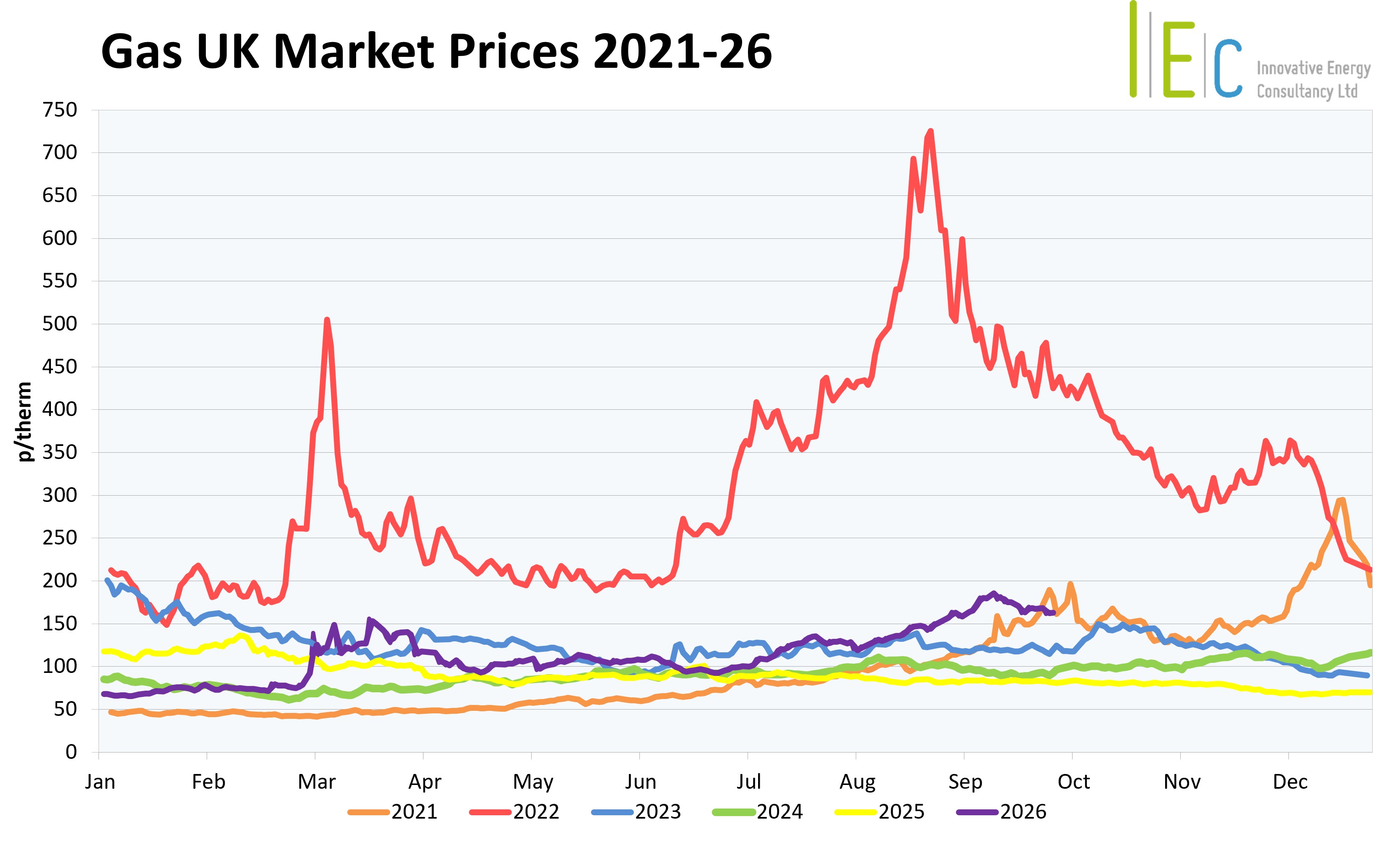
The UK energy market in September was characterised by improving renewable generation alongside continued concern over winter gas security. In gas markets, low European storage levels, uncertainty surrounding LNG flows through the Strait of Hormuz, and ongoing geopolitical tensions maintained underlying price support despite gradual inventory improvements. Storage levels increased during the month but remained materially below seasonal averages, reinforcing concerns over winter preparedness.
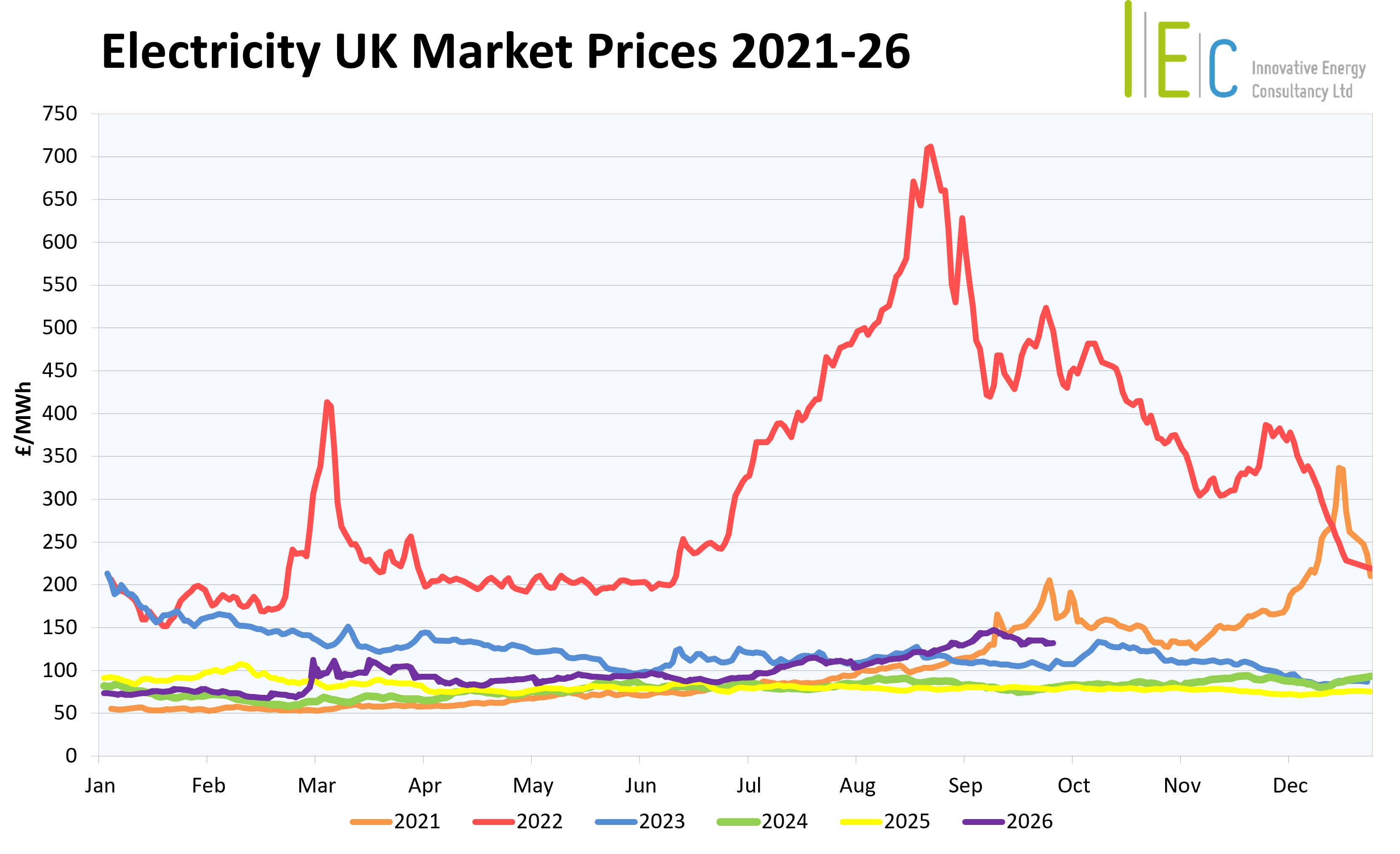
In power markets, strong wind generation reduced reliance on gas and imports compared with previous months, helping to improve system resilience and moderate exposure to fuel market volatility. However, gas remained an important balancing fuel and continued to influence wholesale power pricing. As September ended, markets remained focused on geopolitical developments, storage adequacy, and the outlook for LNG supply heading into the winter heating season.
Gas Supply
Gas supply conditions remained tight despite continued progress in replenishing European storage inventories. Storage levels increased from approximately 65% to 71% during September, although this remained substantially below the seasonal norm of around 87%, highlighting ongoing concerns ahead of winter. Market sentiment was heavily influenced by uncertainty surrounding the Strait of Hormuz, with conflicting signals emerging from negotiations between the US and Iran regarding the restoration of shipping flows.
The UK's gas supply position remained stable, with domestic production and Norwegian imports accounting for 86% of supply. Storage withdrawals contributed 9%, while LNG imports accounted for 5%. Although the UK remained relatively insulated from direct LNG supply disruptions, wholesale prices continued to track broader European market fundamentals, particularly concerns around LNG availability and winter supply adequacy.
Energy Demand
Demand remained supportive throughout September as Europe continued its efforts to rebuild gas inventories before the heating season. Analysts highlighted that more than 100TWh of additional gas was still required to meet minimum storage targets, sustaining demand despite elevated prices. At the same time, ongoing competition with Asia for LNG cargoes continued to tighten global supply balances and limit downside price pressure.
The approach of winter also increased market sensitivity to weather forecasts and future heating demand. While some forecasts pointed towards lower thermal demand due to stronger renewable output, concerns remained that periods of weak wind generation or reduced nuclear availability could quickly increase gas consumption. Consequently, underlying demand fundamentals remained supportive throughout the month.
Geopolitical Factors
Geopolitical developments remained one of the most significant market drivers during September. Ongoing negotiations between the US and Iran continued to influence expectations around future LNG flows through the Strait of Hormuz, with prices responding to both signs of diplomatic progress and renewed tensions. Statements from Iranian officials indicating that sanctions relief would be a prerequisite for fully restoring shipping activities maintained uncertainty throughout the month.
Elsewhere, energy security concerns continued to be shaped by Russia's efforts to expand LNG exports to China and strengthen long-term energy ties with Beijing. Ongoing sanctions on Russian energy exports remained a key backdrop for European markets. Meanwhile, continued Russian attacks on Ukrainian energy infrastructure and discussions around alternative LNG import routes for Ukraine highlighted Europe's continued focus on supply diversification and security.
Power Generation Mix
The UK's generation mix shifted notably towards renewables during September. Wind was the dominant generation source, accounting for 36% of electricity production and significantly reducing dependence on gas-fired generation, which contributed 20.5%. Nuclear generation supplied 12% of electricity, while solar accounted for 8%. Imports made up 11% of generation and other technologies contributed the remaining 12.5%.
Higher wind output provided greater resilience within the power system and reduced exposure to volatile gas prices compared with previous months. However, gas continued to play an important balancing role during lower-wind periods, with daily generation data showing CCGT output increasing significantly when renewable availability declined. While September's generation mix reduced overall dependence on thermal generation, gas remained an important marginal fuel influencing wholesale electricity prices. UK’s carbon price gained around 5% across the month, closing at £62 per tonne.
We meet all your
business energy needs
Find out how much money
we’ve saved for our clients,
or to arrange an informal
discussion with one of
our energy experts,
please call 01244 571830